



Design Approval Is Not the Starting Line for Mass Production
For overseas buyers, toy development often appears to follow a simple sequence:
Design → Sample → Approval → Production
Inside a real toy factory, there is much more work between sample approval and mass production.
Once the customer confirms the product, factory teams need to turn the approved design into practical manufacturing instructions.
This includes checking product details, production requirements, materials, tooling information, packaging specifications, inspection points, and order quantities.
The first image shows the type of office environment where this work takes place.
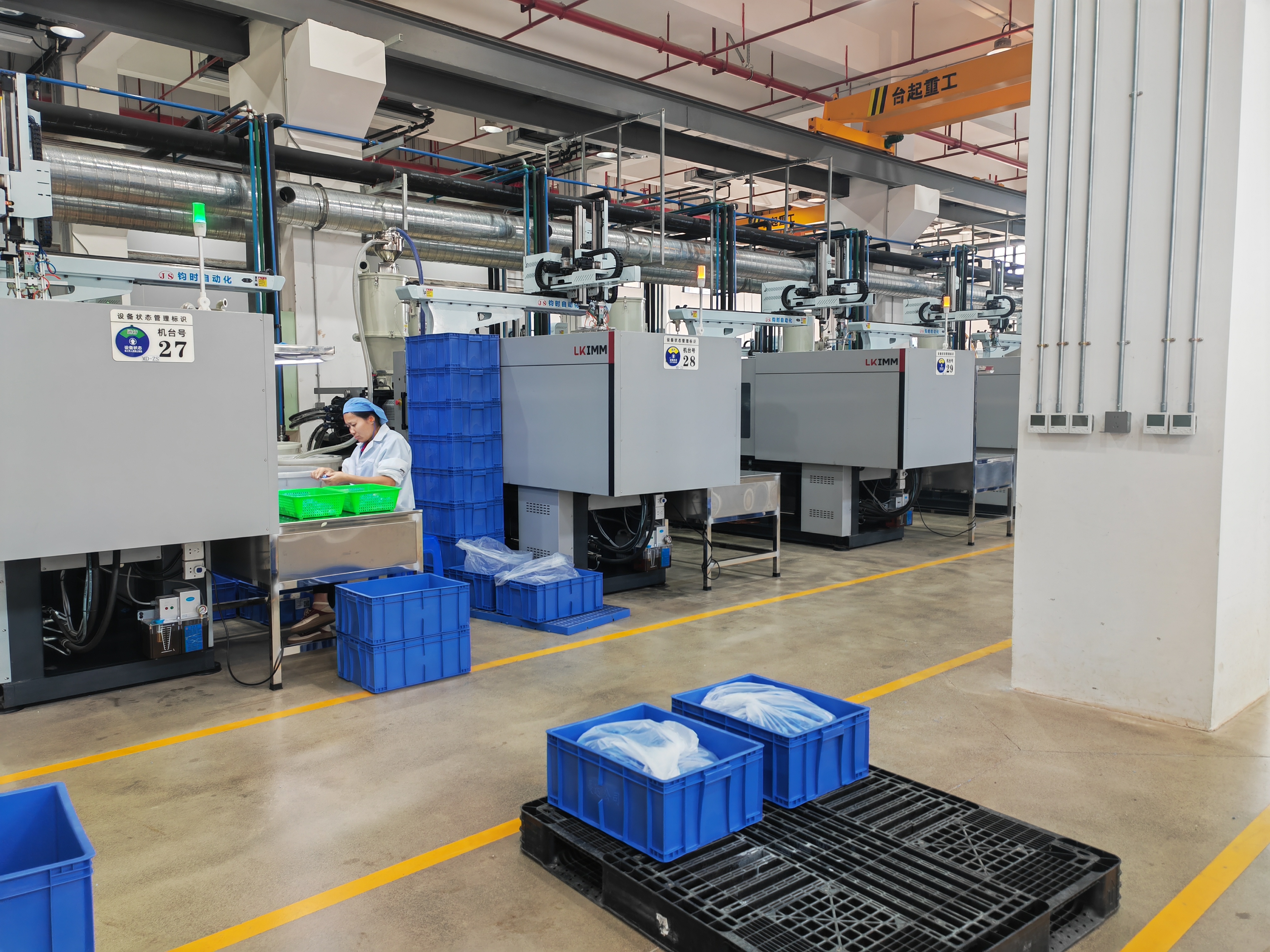
The second image shows where those decisions eventually end up — on the production floor.
That connection between office work and factory production is one of the most important parts of custom toy manufacturing.
Factory Engineering Turns Product Ideas Into Production Instructions
Customer drawings may show what the toy should look like.
Production teams need to understand how the toy should be made.
These are not always the same thing.
Engineering teams may review:
- Product structure
- Component dimensions
- Material requirements
- Assembly points
- Mold considerations
- Surface finishing
- Color requirements
- Packaging details
The purpose is practical.
If something looks acceptable on screen but creates difficulty during injection molding or assembly, it is better to identify the issue before production begins.
This type of review can prevent unnecessary mold changes, production interruptions, or repeated sample adjustments.
Product Details Need to Survive the Factory Handoff
One common source of production problems is information loss during the transition from development to manufacturing.
Customer requirements may exist in several places:
- 3D files
- 2D drawings
- Approved samples
- Color references
- Packaging artwork
- Specification sheets
- Inspection requirements
Factory teams need to make sure these references match.
If one document shows one dimension while the physical sample shows another requirement, production should not simply guess.
Questions need to be clarified before machines begin running.
Clear technical information gives operators, production supervisors, engineers, and quality teams the same reference point.
Tooling Decisions Can Affect the Entire Project
Molds are not just production tools.
They can influence product appearance, cycle time, part consistency, assembly, maintenance requirements, and manufacturing cost.
For custom plastic toys, tooling decisions need to consider the final production requirement rather than only the first sample.
Expected order volume matters.
Product structure matters.
Material selection matters.
Future repeat orders may matter as well.
Good factory engineering considers these factors before tooling work becomes difficult to change.
Material Selection Needs Production Thinking
Material decisions are often discussed during product development, but production teams also need to consider how the selected material behaves during manufacturing.
Different plastics can create different processing requirements.
Material choice can influence:
- Product strength
- Flexibility
- Surface appearance
- Molding behavior
- Color consistency
- Production efficiency
For overseas buyers, material requirements should therefore be confirmed early rather than treated as a detail after the sample has already been approved.
For export toy projects, material requirements also need to align with the target market and applicable compliance requirements.
Approved Samples Become Factory References
Once a sample is approved, it becomes much more than a visual reference for the buyer.
It becomes an important production reference for factory teams.
Production personnel can compare manufactured components against the approved standard during the production run.
Quality teams can use the approved sample when checking:
- Shape
- Color
- Surface appearance
- Assembly
- Product details
This helps keep production aligned with what the customer actually approved.
For large OEM orders, maintaining this reference becomes increasingly important as production volume grows.
Production Planning Starts Before Machines Run
Mass production requires more preparation than simply assigning machines.
Factory teams need to consider production capacity, tooling availability, material readiness, operator requirements, inspection arrangements, assembly needs, and delivery timing.
Production planning also needs to account for other orders already running inside the factory.
This is where factory experience becomes useful.
A realistic production schedule should be based on actual factory conditions rather than simply promising the date requested by the buyer.
Engineering Information Reaches the Production Floor
The second image shows the next stage of this process.
Injection molding machines are arranged in the production area, with material systems, working routes, storage containers, operators, and supporting equipment around the machines.
This is where technical decisions become physical products.
Production teams need clear information about what is being produced, which materials are required, which tooling should be used, and what quality points need attention.
When information reaches the production floor correctly, production becomes easier to control.
When information is incomplete, small misunderstandings can quickly become production problems.
Change Control Matters After Sample Approval
Product development does not always stop after approval.
Buyers may request changes to:
- Color
- Packaging
- Components
- Artwork
- Quantity
- Delivery schedule
Changes are manageable when they are communicated early.
Problems usually appear when changes reach production without enough time for the factory to review their impact.
Before accepting a late change, factory teams may need to check whether it affects tooling, materials, production scheduling, inspection, packaging, or shipment.
This is why direct communication between buyer and manufacturer remains important even after the sample has been approved.
Production Teams Need More Than Finished Drawings
Good manufacturing information should answer practical questions.
What material should be used?
Which components belong together?
What dimensions are critical?
Which appearance details require special attention?
What packaging configuration has been approved?
Which inspection points matter most?
When these details are clear, factory teams can work with fewer assumptions.
For international OEM projects, this level of clarity helps reduce unnecessary back-and-forth between the buyer and manufacturer.
Factory Coordination Becomes More Important With Large Orders
Small orders can sometimes be managed with simple communication.
Large commercial programs require stronger coordination.
Multiple departments may become involved:
- Engineering
- Production
- Quality
- Material control
- Purchasing
- Packaging
- Export coordination
Each department affects the final delivery.
One missing component can stop assembly.
One tooling problem can interrupt molding.
One packaging change can affect shipment preparation.
Factory coordination keeps these individual activities connected.
Why This Handoff Matters to Overseas Buyers
Buyers do not need to manage every factory operation themselves.
They do need confidence that the manufacturer can manage the transition from approved design to repeatable production.
That confidence comes from seeing whether the factory has:
- Engineering support
- Production capability
- Organized technical communication
- Real manufacturing equipment
- Quality management
- Practical production planning
The two photos tell this story from different sides.
One shows the people working with product information.
The other shows the equipment producing the physical parts.
The connection between those two environments is where much of the real OEM work happens.
Meida Toys Connects Product Development With Manufacturing
Meida Toys operates its own plastic toy manufacturing facilities, supporting custom OEM and ODM projects from development through mass production.
Our teams work across product development, engineering, injection molding, assembly, quality inspection, packaging, and export production.
For buyers looking for [Custom Plastic Toy Manufacturing], the goal is not simply to produce an approved sample.
The goal is to transfer that approved product into stable commercial production with clear technical requirements, controlled manufacturing processes, and realistic delivery planning.
For more information about factory standards and production qualifications, buyers can also visit [Factory Certifications & Compliance].
Frequently Asked Questions
What happens after toy sample approval?
Factory teams review technical information, confirm materials and tooling, prepare production resources, organize quality requirements, and transfer approved specifications to the manufacturing floor.
Why is engineering important in custom toy manufacturing?
Engineering connects product design with practical manufacturing. It helps identify production issues before they become costly changes during mass production.
Can buyers change product details after sample approval?
Changes are possible, but timing matters. Factory teams should review the effect of any change on tooling, materials, production scheduling, quality inspection, packaging, and delivery.
Why is an approved sample important?
The approved sample provides a physical reference for production and quality teams, helping maintain consistency with the product accepted by the customer.
Does Meida Toys support custom plastic toy development?
Yes. Meida Toys supports OEM and ODM plastic toy projects for overseas brands, retailers, promotional programs, and distributors, with manufacturing covering product development through mass production.