



How Smart Plastic Toy Manufacturing Reduces Risk for Global Brands
Global toy brands face increasing pressure to balance cost, quality, speed, and compliance. While China remains a leading production base for plastic toys, not every factory operates with the same level of structure and discipline. Smart plastic toy manufacturing goes beyond machinery—it reflects management logic, engineering capability, and risk control throughout the entire process.
Engineering Before Production
Successful toy manufacturing begins long before mass production starts. Experienced factories review product structure, wall thickness, joint strength, and material compatibility at the engineering stage.
By identifying potential tooling or assembly risks early, manufacturers reduce mold modifications and avoid costly production delays. This structured pre-production evaluation allows brands to move from concept to sample approval more efficiently.
Integrated Production Improves Consistency
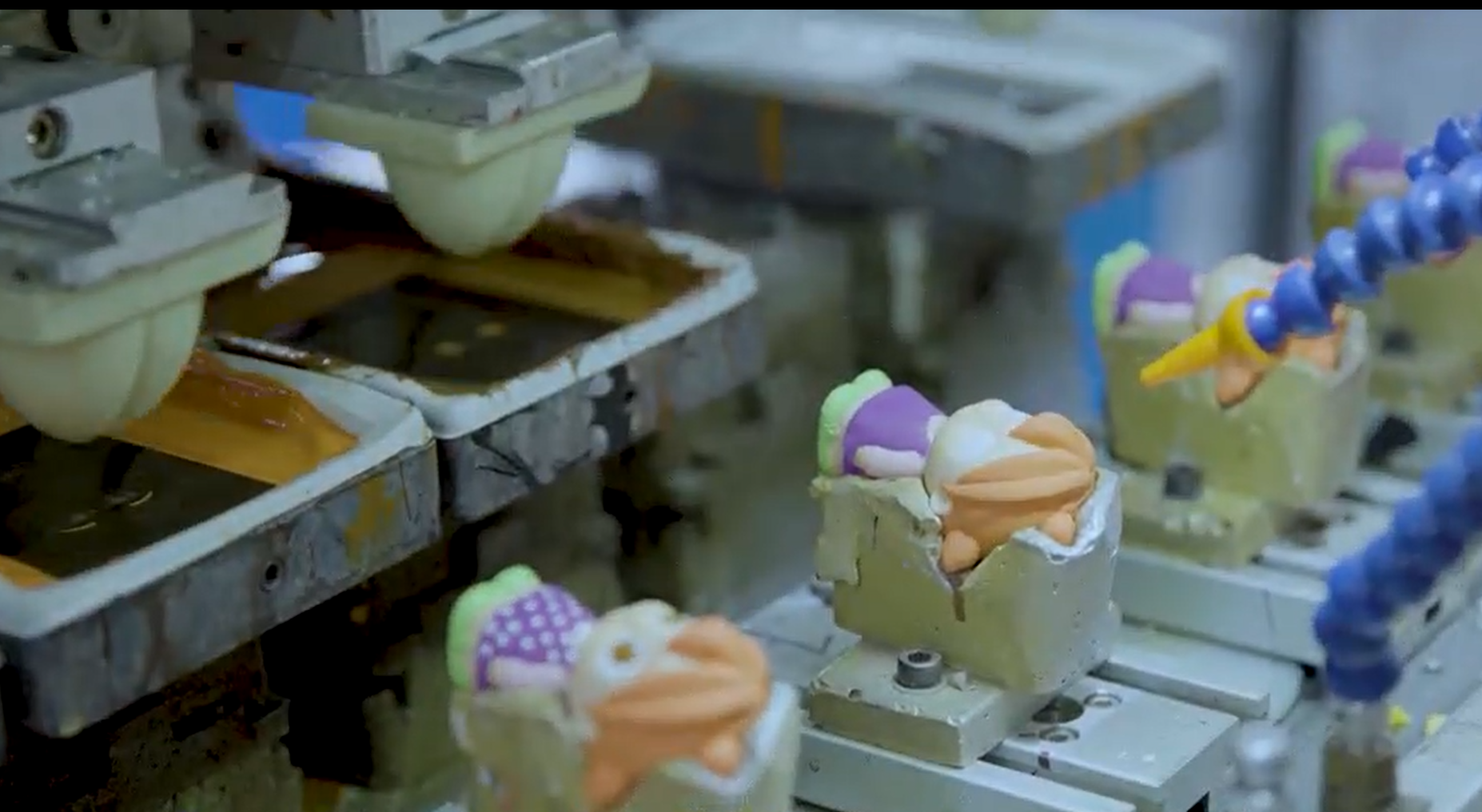
When mold design, injection molding, painting, and assembly operate under one coordinated management system, production becomes more predictable.
Instead of relying on fragmented outsourcing, integrated plastic toy factories maintain tighter control over tolerance, color consistency, and finishing quality. As a result, bulk orders align more closely with approved samples, which strengthens long-term cooperation between factory and brand.
Transparent Communication Builds Stability
Clear communication plays a critical role in international manufacturing. Reliable suppliers provide realistic lead times, explain MOQ planning in detail, and clarify tooling cost structures upfront.
When expectations remain transparent from the beginning, misunderstandings decrease and production schedules stay on track. For overseas buyers, this clarity reduces sourcing risk and improves decision-making.
Compliance and Export Experience Matter
Plastic toy manufacturing must align with international safety standards and testing requirements. Factories that understand EN71, ASTM, and other compliance frameworks integrate safety considerations into production planning rather than treating them as an afterthought.
Proper documentation, labeling accuracy, and packaging compliance support smoother customs clearance and retail acceptance in global markets.
Long-Term Value Over Short-Term Pricing
While price remains an important factor, stable quality and reliable delivery ultimately determine a factory’s reputation. Brands that prioritize structured manufacturing partnerships often experience fewer disruptions and stronger market performance.
Smart plastic toy manufacturing is not simply about equipment. It represents disciplined management, technical expertise, and a commitment to consistent execution.