



OEM Toy Projects Depend on Manufacturing Preparation Before Production
Many toy projects begin with a creative concept.
A brand develops a character idea. A retailer prepares a promotional campaign. A distributor looks for a customized product that fits a specific market.
However, the difference between a concept and a successful commercial product depends on what happens before mass production begins.
In OEM toy manufacturing, early preparation affects everything that follows:
- Product quality
- Production efficiency
- Manufacturing cost
- Delivery schedule
A factory that understands production challenges at the beginning can help customers avoid problems later.
Product Development Requires More Than Following Drawings
Many buyers provide drawings, samples, or 3D files and expect the factory to move directly into production.
In reality, professional OEM manufacturing requires a deeper review.
Before production starts, experienced teams evaluate:
- Product structure
- Material selection
- Assembly methods
- Mold requirements
- Surface finishing process
- Packaging requirements
Some designs may look simple but create difficulties during mass production.
Factory experience helps identify these issues before they affect production schedules.
At Meida Toys, our engineering and production teams review product requirements from a manufacturing perspective, helping customers balance design ideas with practical production solutions.
Production Stability Determines Large Order Success
Creating one approved sample is only the beginning.
The real challenge is maintaining the same standard across thousands or hundreds of thousands of pieces.
Large-volume OEM toy production requires stable systems, including:
- Production planning
- Equipment management
- Operator training
- Process control
- Quality checkpoints
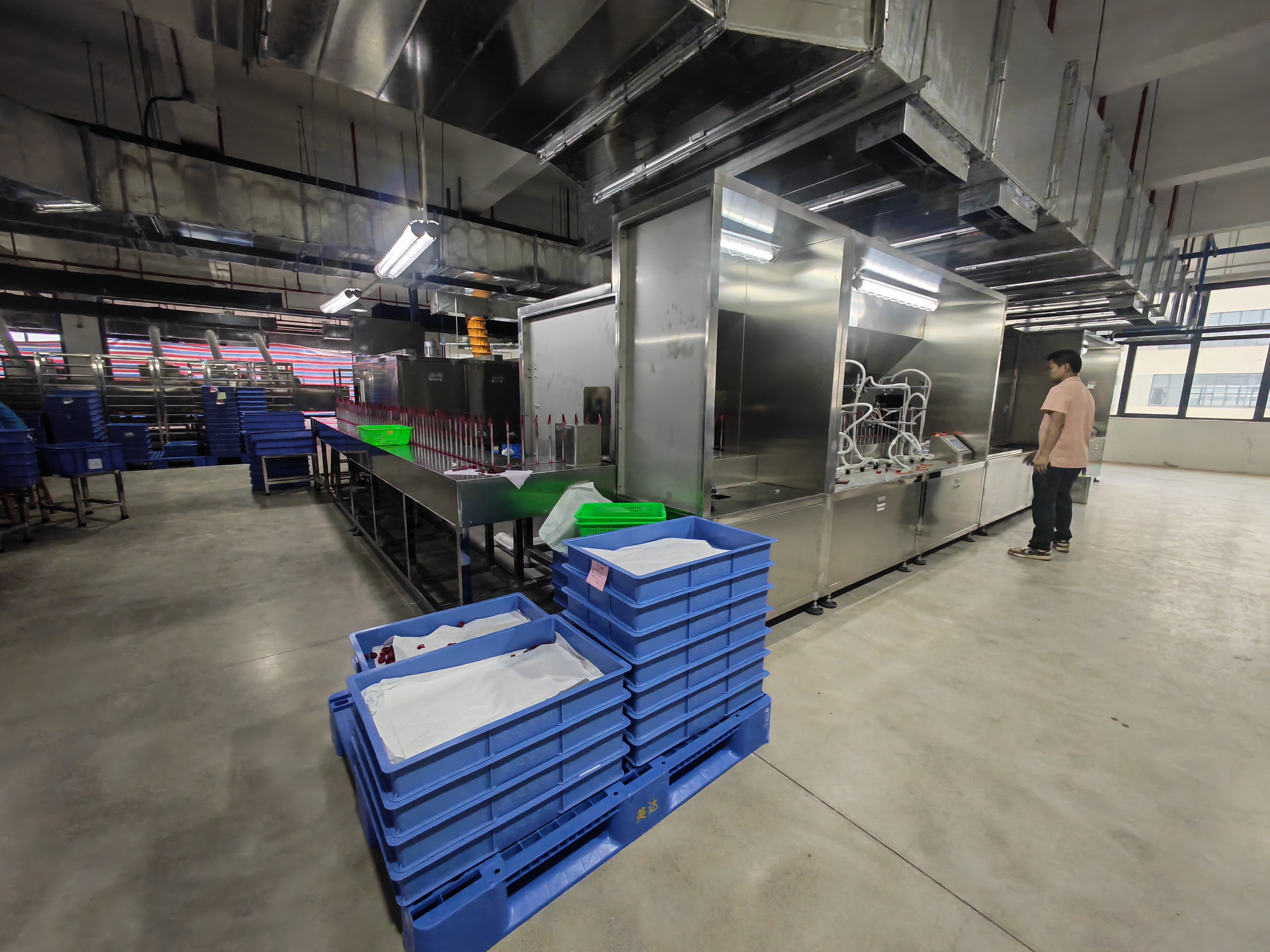
The automated equipment shown in these factory images represents part of our daily production environment.
Automation helps maintain more stable processing conditions, while experienced production teams monitor each stage to ensure products meet customer requirements.
Manufacturing Equipment Supports Consistent Quality
In plastic toy manufacturing, equipment capability directly influences product consistency.
Stable equipment helps control important production factors such as:
- Product dimensions
- Surface appearance
- Assembly accuracy
- Production repeatability
For retail toys, promotional toys, and collectible products, small differences between batches can create quality issues.
A reliable manufacturing process reduces these variations and helps ensure that products produced later match the approved samples.
Quality Control Starts During Production, Not After Shipment
Quality management is not only a final inspection process.
By the time a problem reaches final inspection, it may already involve thousands of products.
A more effective approach is controlling quality throughout production.
Typical quality checkpoints include:
Material Verification
Checking incoming materials before production begins.
Production Inspection
Monitoring key manufacturing stages and identifying problems early.
Finished Product Inspection
Confirming product appearance, assembly quality, and packaging requirements before shipment.
This production-based quality approach helps reduce risks and improves consistency for overseas customers.
Delivery Reliability Comes From Better Production Management
For many overseas buyers, timing is just as important as product quality.
Promotional campaigns, retail launches, and seasonal products often have fixed market schedules.
A delay in production can affect the entire sales plan.
Reliable delivery requires coordination between:
- Material preparation
- Production capacity
- Quality inspection
- Packaging
- Shipment arrangements
Experienced manufacturers understand that delivery control starts inside the factory, not after production is finished.
Communication Between Factory and Buyer Affects Project Results
Many OEM challenges are not caused by manufacturing ability.
They happen because information is not communicated clearly.
During a custom toy project, changes may happen:
- Product details need adjustment
- Packaging artwork is updated
- Materials require confirmation
- Production schedules need coordination
A factory that communicates quickly can solve problems before they become delays.
For overseas buyers, transparent communication creates more confidence throughout the entire production process.
Long-Term OEM Cooperation Comes From Reliable Manufacturing
Successful OEM projects are rarely based on one shipment.
Long-term partnerships are built through repeated performance.
Brands and importers continue working with manufacturers that can provide:
- Stable production capability
- Consistent product quality
- Practical engineering support
- Reliable delivery performance
A real manufacturing partner does more than produce products.
The partner helps customers reduce production risks and develop better solutions for future projects.
Meida Toys Supports Global OEM Toy Production
At Meida Toys, we focus on helping overseas customers turn product concepts into reliable manufactured products.
Our manufacturing capabilities include:
- Custom plastic toy production
- OEM and ODM toy development
- Injection molding manufacturing
- Product assembly
- Quality control management
- Export production support
Through organized production processes and practical manufacturing experience, we help brands, retailers, and distributors develop toy products with greater confidence.
What are the main reasons OEM toy projects fail?
Common reasons include insufficient product evaluation, unclear communication, unstable production processes, and poor quality management during manufacturing.
Can a toy factory improve product designs before production?
Yes. Experienced manufacturers can provide suggestions based on production methods, materials, assembly requirements, and manufacturing efficiency.
Why is production consistency important for OEM toys?
Because commercial orders require every product to maintain the same quality standard as the approved sample.
How does Meida Toys control OEM production quality?
Quality is managed throughout the production process, including material checking, production monitoring, and finished product inspection.